

Do my kids really appreciate and thank me for everything I do for them?
Introduction
Hello, Parents! It’s Busy Bear here, eager to share a bit of wisdom: True thanks from your kids is revealed in how they raise their own—a legacy of love passed down. As you navigate the busy journey of raising kids, remember that the love and care you provide have enduring effects. Even on the toughest days, keep in mind: the legacy you’re building will extend far into the future. Now, let’s explore why the most heartfelt thanks from your kids is evident in the way they raise their children—a legacy of love that continually gives.
Understanding Indirect Gratitude
Raising your little ones is a grand adventure. You give so much, often without expecting a “thank you.” However, gratitude from your children often doesn’t come in words. Instead, it’s reflected in their actions, particularly as they mature and become parents themselves. This silent but profound “thank you” mirrors the deep values and lessons you’ve instilled.
Seeing Values in Action
Watching your children pass on kindness, respect, and love to the next generation illustrates that the seeds you planted are flourishing. This silent appreciation transcends words, forging bonds that span generations.
The Legacy of Good Parenting
Parenting involves building a legacy that goes beyond what you can observe, affecting lives far into the future. Every hug, lesson, and patient moment lays a foundation not only for your children but also for your grandchildren and beyond.
Parenting Across Generations
I perceive good parenting as a journey not measured in days or months, but across generations. The values you instill serve not just for your children’s immediate well-being—they are gifts that continue to impact long after they’re bestowed.
Conclusion
So take heart, dear parents. Your daily efforts are creating something truly magnificent. While the full impact of your love might not be visible now, it will bloom beautifully in your children and their descendants.
Guiding with Love
Continue to love and guide with every step you take. Each act of love weaves a thread in a grand tapestry that will bring comfort and warmth for generations to come. This enduring legacy of love is the most profound thanks you could ever receive.
Join the Conversation
I’d love to hear from you! How do you feel about the idea of your parenting influencing future generations? What values do you hope to pass down? Share your thoughts and stories below. Let’s inspire each other with the lasting legacies we’re creating.

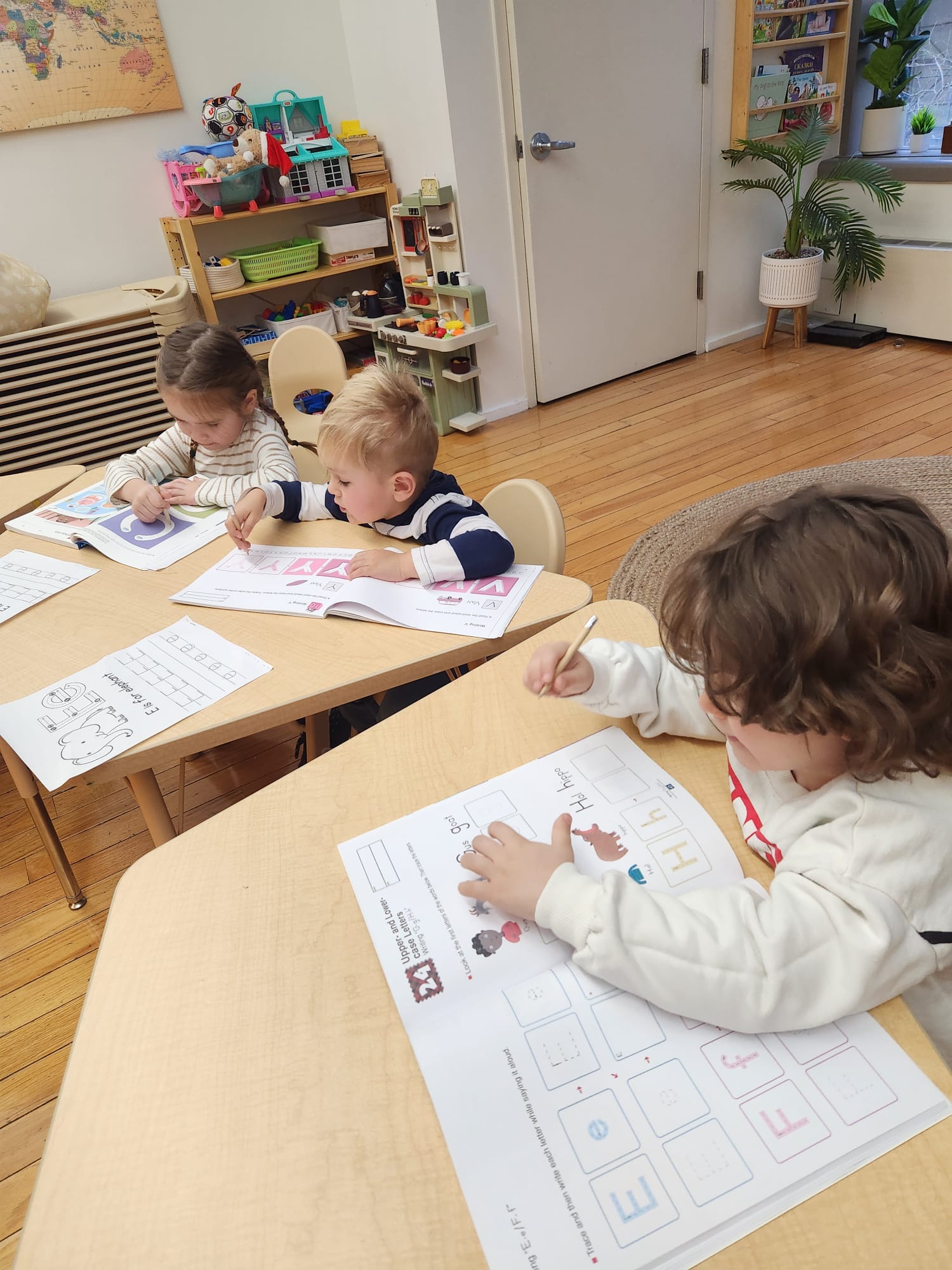
Subsidized Child Care Services in FiDi NYC
What does subsidized child care entail?
The Administration for Children’s Services (ACS) offers a range of resources aimed at assisting parents with their child care requirements, as well as supporting individuals who manage child care programs. For families that meet the eligibility criteria, ACS facilitates access to child care programs at no cost or for a minimal fee. These programs are designed for children from 6 weeks to 13 years of age, and extend up to 19 years for those with disabilities. Additionally, ACS provides child care vouchers, which contribute towards the expenses of child care services at numerous center-based and home-based providers throughout the city.
Qualification Criteria
Your family might be eligible for child care support if your income is under 85% of the State Median Income https://datausa.io/profile/geo/new-york and you have a valid need for child care services. This need, or “reason for care,” must include at least one of the following criteria:
- Employment for 10 or more hours weekly
- Participation in an education or vocational training program
- Active job search
- Residing in temporary accommodation (given priority)
- Engagement in domestic violence services
- Undergoing substance abuse treatment
- Experiencing illness or incapacity.
- Your child or family is under the services of the Administration for Children’s Services (ACS) or the Human Resources Administration (HRA).
- You need to be away from home, resulting in your child(ren) being left unsupervised.
- Eligibility depends on your household size, place of residence, income level, and the reason for seeking child care. Verification is conducted through the review of documents provided with your application.
What Are ACS-Funded Child Care Programs at Golden Minds Prep?
ACS-Funded Child Care Programs provide support from the Administration for Children’s Services (ACS) to families that need child care. ACS helps fund about 300 child care centers and family child care networks, including more than 250 Head Start programs. These programs are open to families who fit certain requirements like how much money they make, whether they’re working, and other needs for child care help.
Child care places that get money from ACS have to follow strict rules from the New York State (NYS) and New York City (NYC) health departments. These rules make sure that kids are safe and learning in a good environment. They check on things like how clean and safe the place is, what kind of training the staff has, and what the kids are learning.
For families at Golden Minds Prep, these programs mean more affordable child care. This helps parents keep their jobs or go to school, while ACS aims to make sure kids have a stable place to grow and learn.
Golden Minds Prep is one of the top places in FiDi New York that meets these health and safety standards. By giving families access to quality child care, Golden Minds Prep and ACS work together to help families afford care and give kids a great place to learn and play.
What’s a Child Care Voucher?
An ACS or HRA Voucher is financial help for families who qualify, making it easier for them to get child care services without depending solely on government-funded programs. It’s especially aimed at helping families with lower incomes find and afford good child care.
To get one of these vouchers, a family needs to meet certain income guidelines and other requirements. Getting a voucher can take a long time because there’s not enough money to go around. Despite the wait, these vouchers are really important for families who need help covering child care costs. They open up more child care choices and give kids a chance to receive quality care while their parents are working or in school.
At Golden Minds Prep, we accept these vouchers because we know how hard it can be to pay for child care. We offer top-notch educational programs for kids and want to make sure all families can access our services. If you qualify for a voucher, you can use it here at Golden Minds Prep, making it easier to give your kids quality care and educational opportunities.
How to Apply for Subsidized Child Care
Applying for subsidized child care involves a few steps, starting with reaching out to the Administration for Children’s Services (ACS). Here’s a simplified guide:
- Start the Process: The first move is to contact ACS. You can kick off this journey by calling 311 to request a Child Care Application form. This form will ask about your family’s income, how many people live in your home, your child’s age, and what kind of care they need. It’ll also tell you what documents you need to gather. CFWB-012 Application for Child Care Assistance
- Find a Daycare: Next, look for a good daycare center near you, like Golden Minds Prep. It’s a good idea to talk to them about what they offer, whether they have a spot for your child, and what they need from you. Visiting a few places can help you pick the right spot for your child.
- Submit Your Application: Once you’ve chosen a daycare, you’ll send them your completed application and the documents they ask for. Make sure you check everything off the list that’s mentioned in the application’s cover letter.
- Wait for Approval: ACS will take a look at your application to see if you qualify for help with your child care costs. They’ll consider things like how much money your family makes and what your child needs.
Applying might seem a bit complex, but taking it step by step can help you through. At Golden Minds Prep, we’re dedicated to providing a great environment for kids to learn and grow. We’re not just about care; we’re about creating a place where your child can thrive. Wondering about costs? We aim to keep our rates affordable and accept ACS/HRA vouchers, making quality child care accessible for families in our community.

A daycare of your dreams
Finding the ideal daycare is not merely about locating a daily retreat for your child(ren). It’s about discovering a vibrant ecosystem that seamlessly adapts to the nuanced needs of children and their families. Central to this vision is a daycare that holds the safety, well-being, and comprehensive growth of every child as its guiding star. Moreover, a daycare that offers multidisciplinary activities such as karate, art, cooking, fencing, robotics, vocal lessons, theater, and more, not only provides enriching experiences for children but also saves parents a considerable amount of time and money. As you navigate the options, here are the indispensable features to look for in your dream daycare:
Safety: The most important factor to consider when choosing a daycare is safety. Make sure the daycare has a secure facility with proper safety measures in place, such as fire alarms and sprinklers. The staff should also be trained in CPR and first aid.
Well-being: Your child’s well-being should also be a top priority. Make sure the daycare provides a nurturing environment where children feel safe and loved. The staff should be warm and supportive, and they should be able to meet the individual needs of each child.
Comprehensive growth: Your child’s development should be a focus of the daycare. Make sure the daycare offers a variety of activities that promote cognitive, social, emotional, and physical development. The staff should be knowledgeable about child development and should be able to create a stimulating environment for learning.
Multidisciplinary activities: A daycare that offers multidisciplinary activities can provide your child with a well-rounded education. These activities can help children develop their creativity, problem-solving skills, and teamwork abilities. They can also help children learn about different cultures and perspectives.
Flexibility: Your needs may change over time, so it’s important to find a daycare that is flexible. Make sure the daycare offers flexible hours and is willing to work with you to meet your family’s needs.
In addition to these factors, it’s also important to visit the daycare in person and get a feel for the atmosphere. Talk to the staff and ask questions about their philosophy and approach to child care. You should also feel comfortable leaving your child at the daycare.
Finding the right daycare can be a challenge, but it’s important to take the time to find a place that you feel good about. Your child’s early years are important, and you want to make sure they are spending their time in a safe, nurturing environment that promotes their development.

10 Ways to Promote Your Child’s Physical Health
Promoting Physical Health for Children
Physical health is crucial for children’s overall well-being, impacting their happiness, energy levels, and school success. Moreover, a healthy childhood lays the foundation for avoiding chronic diseases in the future.
10 Tips for Enhancing Your Child’s Physical Health
- Encourage Regular Physical Activity: Aim for at least 60 minutes of daily activity, like sports, dancing, walking, or biking.
- Set a Positive Example: Children learn from adults, so stay active yourself to inspire them.
- Make Healthy Food Choices: Prioritize balanced diets rich in fruits, vegetables, and whole grains while avoiding processed foods and sugary drinks.
- Limit Screen Time: Keep screen time under two hours daily to prevent health issues.
- Ensure Adequate Sleep: Aim for 10-12 hours of sleep per night and maintain a consistent sleep schedule.
- Create a Healthy Home Environment: Foster physical activity, provide nutritious food options, and limit screen exposure at home.
- Discuss Health with Your Child: Teach your child about healthy habits, including exercise, balanced eating, and avoiding harmful substances.
- Prioritize Healthcare: Regular doctor and dentist checkups ensure early detection of potential health concerns.
- Offer Support: Encourage and support your child’s health efforts, guiding them towards wise choices and being patient with setbacks.
- Be Persistent: Promoting physical health takes time; continue your efforts even if immediate results aren’t evident.
By incorporating these strategies, you can help your child establish lasting healthy habits.
Additional Tips for Promoting Physical Well-being
- Make Activity Enjoyable: Engage in fun activities like tag, family walks, or sports to make exercise enjoyable.
- Set Realistic Goals: Start with achievable goals, such as 10 minutes of walking daily, and gradually increase intensity.
- Involve the Whole Family: Make physical activity a family affair, fostering motivation and enjoyment.
- Practice Patience: Establishing healthy habits requires time; remain patient if immediate progress is slow.
With your guidance, your child can develop healthy habits that will positively impact their well-being throughout their lifetime.

Why Golden Minds Prep Summer Camp is Perfect for Your Little One
Sending your little one to Golden Minds Prep Summer Camp for the months of July and August offers numerous benefits that will positively impact their development and prepare them for future schooling. Here’s an enhanced look at the services offered for children aged 2-5 years old, ensuring that the camp caters to their unique developmental needs:
Activities at Golden Minds Prep
Explorers (Age 2-3) & Thinkers Program (Ages 3-4):
Physical Development: Activities such as obstacle courses, ball games, and dance sessions promote motor skills, balance, and coordination. Cognitive Development: Engaging in problem-solving games, puzzles, and story time to stimulate young minds and enhance language skills. Social-Emotional Development: Learning to interact with peers through group activities and play, which helps in developing empathy, sharing, and cooperation.
Scholars (Age 4-5):
Advanced Cognitive Activities: More challenging puzzles, early math and reading activities, and scientific exploration to foster curiosity and critical thinking. Creative Arts: Structured art projects such as painting, clay modeling, and crafts to boost creativity and fine motor skills.
Golden Spotlight:
Theater and Dance: Creative expression through performing arts helps children gain confidence and improve their communication skills. Music and Movement: Incorporating musical instruments and rhythm activities to enhance auditory skills and physical coordination. Robo Science & Coding Lab:
Introduction to Technology: Simple robotics and coding games designed for young children to foster an early interest in STEM fields. Interactive Learning: Using age-appropriate technology and tools to engage children in hands-on activities that promote problem-solving and creativity. Farm-to-Table Cooking:
Culinary Skills: Interactive cooking sessions where children learn about nutrition and food preparation, enhancing their fine motor skills and promoting healthy eating habits. Gardening Activities: Engaging in planting and caring for a small garden to teach children about nature and responsibility. Chess & Wealth Club:
Basic Strategy Games: Introducing simple strategy games like matching and sequencing to develop critical thinking and planning skills. Early Financial Literacy: Fun activities that introduce basic concepts of saving and spending, using tokens and play money. Martial Arts Dojo:
Karate and Self-Defense: Age-appropriate martial arts training focusing on basic movements, discipline, and self-control. Physical Fitness: Activities that promote overall fitness and coordination, such as stretching, jumping, and playful combat drills. Zen Garden:
Yoga and Mindfulness: Simple yoga poses and breathing exercises designed for young children to promote relaxation and body awareness.
Sensory Play: Activities that engage the senses, such as playing with textured materials, water play, and sound baths.
Enhanced Benefits of Attending Summer Camp
Social Skills Development: Camps provide a structured environment for children to interact with their peers, teaching them how to cooperate, share, and build friendships.
Physical Activity: Engaging in various physical activities helps children develop their gross motor skills, strengthens their muscles, and improves their overall physical health.
Screen-Free Environment: The camp offers a break from screens, allowing children to engage in hands-on activities that stimulate their creativity and imagination.
Preparation for School: The camp experience helps children get used to being away from their parents, making the transition to preschool smoother and reducing separation anxiety.
Exposure to New Activities: The diverse range of activities allows children to discover new interests and talents, boosting their confidence and self-esteem.
Golden Minds Prep provides a safe, supportive, and stimulating environment where your little one can grow, learn, and have fun during the summer months. The camp's comprehensive programs are designed to foster holistic development, ensuring that children receive the best possible start on their educational journey

Dive into learning with us, where we redefine the traditional and unlock infinite possibilities.
At Golden Minds Prep, we firmly believe that each child is a unique individual brimming with creativity. Art and craft classes are so much more than just fun and games. They are a vital part of our curriculum, helping children learn and grow into well-rounded, happy individuals.
Visual-Spatial Learning: Art activities like drawing, painting, or making crafts help kids understand more about the world around them. They learn about shapes, spaces, and colors in a hands-on, engaging way.
Fine Motor Skills: Whether they’re holding a paintbrush, cutting shapes, or gluing pieces together, children are constantly improving their fine motor skills and hand-eye coordination in art and craft classes.
Creativity and Innovation: Art and crafts provide a safe space for children to express themselves freely. This expression boosts creativity, innovation, and problem-solving skills.
Emotional Expression: Art can be a powerful form of self-expression, helping children understand and communicate their feelings. It can boost their self-esteem, foster resilience, and contribute to their overall happiness.
At Golden Minds Prep, we aim to nurture not just academically successful children, but also creative thinkers and happy, confident individuals. Join our family today and let your child discover the joy of learning through art and craft! GoldenMindsPrep
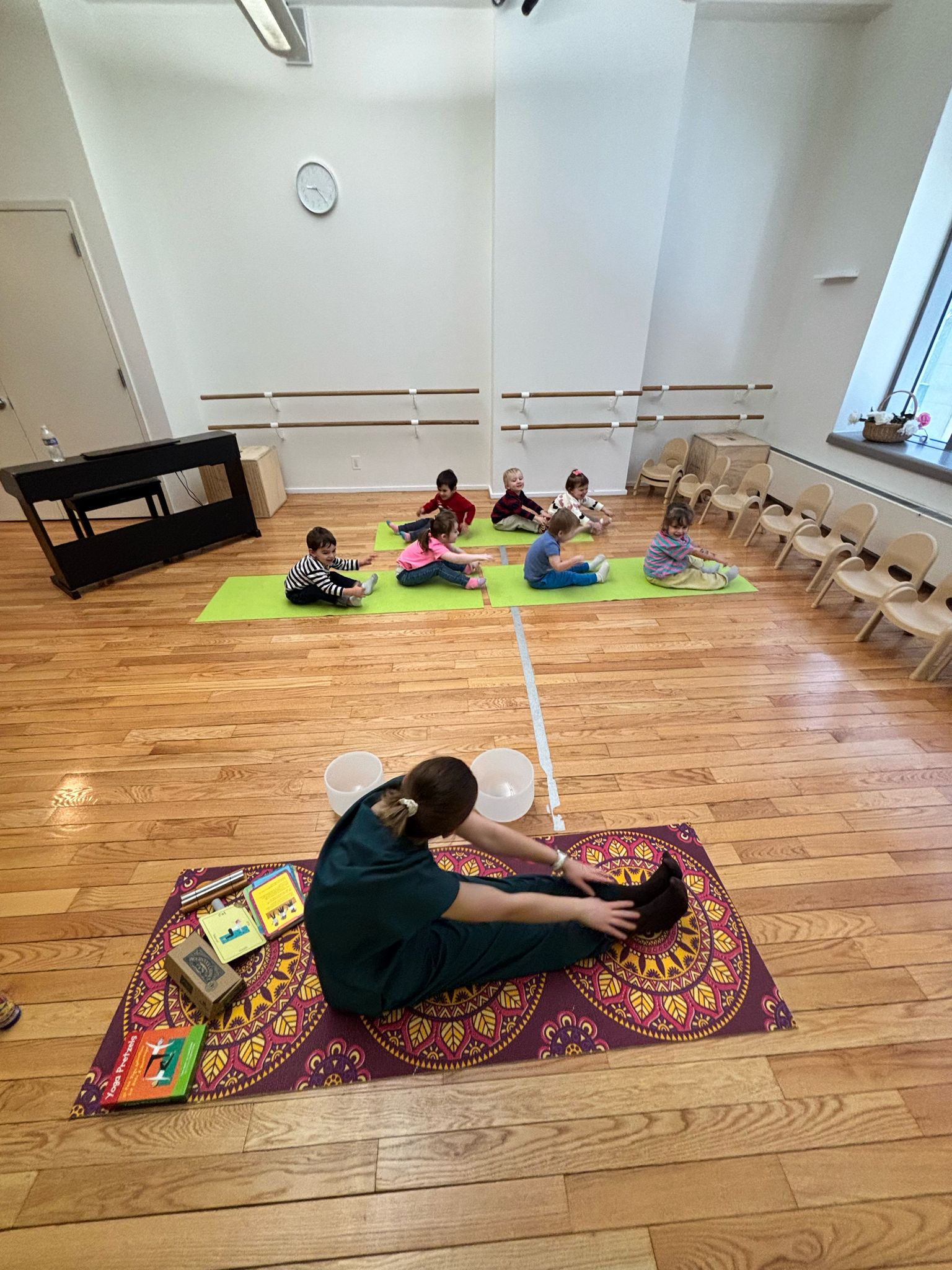
Embracing the Busy Bear Philosophy: Play Hard, Nap Harder, Learn with Fun
In the bustling world of early childhood education, a new mantra has emerged that encapsulates the essence of a balanced approach to learning and development: “Play hard, nap harder, learn with fun.” This philosophy, inspired by the playful yet laid-back attitude of our furry friends in nature, underscores the importance of a holistic educational environment for young children.
The Importance of Play
Play is the cornerstone of childhood development. It’s through play that children learn how to interact with their surroundings, develop social skills, and engage their creative minds. According to leading child psychologists, unstructured playtime is crucial as it allows children to explore their own interests at their own pace. In a world where structured activities often dominate, the ‘play hard’ aspect of the Busy Bear philosophy encourages educators and parents to ensure children have ample opportunity to just be kids.
The Power of Napping
Napping might seem like a simple act of daily routine, but its benefits are profound, especially in the context of active learning and play. Research shows that naps can dramatically enhance learning by improving memory retention and emotional regulation in children. By promoting harder naps after vigorous play, the Busy Bear philosophy aligns with scientific understanding that rest is not just a pause from learning but an active part of cognitive processing and physical growth.
Learning with Fun
The final pillar of the Busy Bear philosophy is perhaps the most crucial: learning should be fun. This isn’t about diluting educational content but about delivering it in ways that engage young minds. Innovative educators are increasingly incorporating game-based learning and interactive technologies into the curriculum, which proves that when learning is enjoyable, retention and engagement levels soar.
Application in Daycare Settings
Daycare centers and preschools around the globe are beginning to adopt the Busy Bear philosophy, integrating these principles into their daily routines. For instance, a typical day might begin with interactive play sessions, followed by storytelling or a music class, then a scheduled naptime post-lunch, and ending with a hands-on learning activity that consolidates the day’s lessons in a fun, engaging way.
Benefits to Child Development
The benefits of such an approach are multifold. Children who engage in plenty of physical play develop better motor skills and are generally healthier. Those who have regular naps have better mood regulation and might even perform better academically. Most importantly, learning through fun methods helps cultivate a love of learning that can last a lifetime.
In conclusion, the Busy Bear philosophy of “Play hard, nap harder, learn with fun” offers a refreshing reminder of the fundamental needs of children. It champions a blend of vigorous play, ample rest, and enjoyable learning experiences that prepare children not just for school, but for life. By adopting this approach, educators and parents can ensure that the foundational years of our youngest are as enriching as they are delightful.
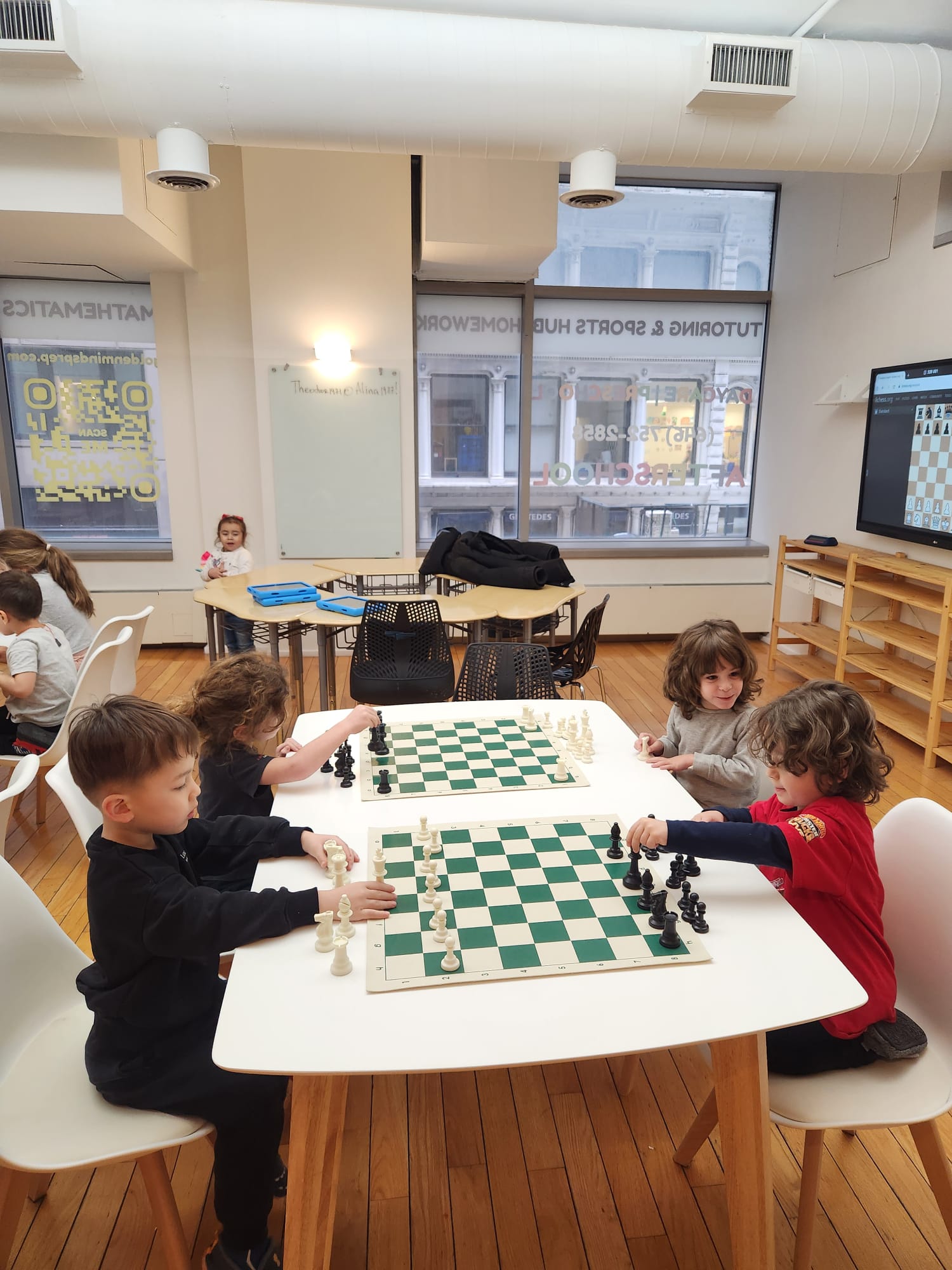
The Delicate Balance: Entertainment Vs. Learning in Children’s Lives
In the ever-changing world of childhood, the interplay between entertainment and learning unlocks a child’s full potential. Parents, educators, and caregivers must navigate this delicate balance, understanding the benefits and drawbacks of leaning too heavily on one side. This article delves into the importance of fostering an equilibrium between entertainment and educational activities, highlighting the potential consequences of failing to achieve this balance.
Understanding the Spectrum
The Power of Play
Entertainment, in its diverse forms, is crucial for a child’s life. It provides an outlet for creativity, relaxation, and emotional expression. From building elaborate block structures to engaging in imaginative play and storytelling, these activities stimulate cognitive development, enhance social skills, and foster a love of learning about the world.
Benefits of Play:
- Sparks creativity and imagination.
- Improves emotional intelligence and stress management skills.
- Strengthens social connections through shared games and experiences.
The Importance of Learning
Learning, on the other hand, is the foundation of cognitive and academic growth. Structured educational activities, along with informal learning experiences, build foundational skills like literacy, numeracy, critical thinking, and problem-solving. These skills are vital for academic success and future employability.
Benefits of Learning:
- Builds foundational skills necessary for academic and life success.
- Cultivates curiosity and a lifelong love of learning.
- Equips children with the tools to navigate and understand the world around them.
- The Perils of Imbalance
- While both entertainment and learning offer unique advantages, an imbalance can lead to several drawbacks.
Excessive Play
An overemphasis on entertainment, particularly screen time, can result in:
- Reduced attention spans and decreased academic performance.
- Physical health issues, such as obesity and disrupted sleep patterns.
- Underdeveloped social skills due to diminished face-to-face interactions.
Overemphasis on Learning
Conversely, prioritizing learning at the expense of play and relaxation can lead to:
- Increased stress and anxiety among children.
- Burnout and a decreased motivation for learning.
- A lack of well-rounded social and emotional development.
Striking the Perfect Harmony
Achieving a harmonious balance between entertainment and learning is paramount. This balance ensures that children not only excel academically but also develop into well-rounded, emotionally intelligent individuals.
Parents and educators can facilitate this by:
- Setting healthy limits on screen time and encouraging diverse forms of entertainment like board games, building blocks, or dramatic play.
- Integrating learning with play, making educational activities engaging and enjoyable. For example, science experiments, reading stories together, or visiting museums can spark curiosity and a love of learning.
- Fostering a supportive environment that values curiosity, creativity, and critical thinking in equal measure.
The Ideal Ratio
While the exact split will vary depending on the child’s age and individual needs, experts generally recommend a 70/30 split between entertainment and learning activities. This means that roughly 70% of a child’s leisure time should be spent on unstructured play and entertainment, while the remaining 30% should be dedicated to more structured learning activities.
Conclusion
The delicate dance between entertainment and learning in a child’s life shapes who they become. Each element plays a vital role in fostering well-rounded development that prepares children not just for academic success, but for a fulfilling life. By mindfully balancing these aspects, we can support the next generation in becoming resilient, intelligent, compassionate, and creative individuals who will contribute positively to society.

Raising Happy Kids in the Heart of New York.
Hey there, fellow New Yorker!
Living amidst the constant hum and rhythm of NYC, with its iconic skyline and diverse cultures, is nothing short of electric. But, navigating through its endless buzz can be a roller coaster for our young ones. Amidst the skyscrapers and subways, their emotions can sometimes escalate, often tilting towards frustration or anger. Let us review Strategies to achieve child happiness in NYC…
First off, let’s remember that every human, big or small, feels anger and/or frustration, it’s part of our emotional toolkit. However, when they’re juggling school stresses, social dynamics, the city’s sensory overload, and just the pace of NYC life, kids’ natural alarm system the “fight-or-flight” often kicks in. In this urban jungle, that can translate to bouts of anger or mood swings.
Guiding Our Future New Yorkers:
- Spotting the Stress Points: The city’s energetic pace, as invigorating as it can be, might sometimes weigh on a child’s shoulders. Being aware of this makes a world of difference.
- Your Home, Their Safe Zone: Amidst the city’s chaos, let’s create pockets of peace at home. Encourage heart-to-heart chats and let them know they’ve got a judgment-free zone to express.
- Embrace the Power of Pause: This is where mindfulness shines. A few deep breaths or moments of reflection can help kids act with thought rather than impulse.
- Daily Anchors: Establish routines—whether it’s a weekend board game, a story at night, or just family meals—to give them a comforting predictability.
- Engaging in Structured Activities: Here’s where sports like karate and fencing, along with strategic games like chess, come into play. They don’t just help burn off energy, but also teach discipline, strategy, and focus. Add yoga for flexibility—both mental and physical—and sound baths for a unique calming experience. These activities become vital strategies for emotional grounding in the city and help to achieve child’s happiness in NYC
- Be Their Role Model: They’re always watching. By staying calm, practicing patience, and handling our emotions maturely, we’re giving them a living guidebook.
- Connect with the Neighbors & The Concept of a ‘Third Place’: Engaging with our local community can provide them with a warm sense of belonging. This extends to the concept of having a ‘third place’—a space other than home (the first place) and school/daycare (the second place). The ‘Golden Minds Prep’ could be this much-needed third place, a spot where kids can socially interact, learn, and grow outside the realms of home and school.
- Nature Calls: Every once in a while, swap the city lights for starry nights. These nature breaks can be a rejuvenating escape for them.
- When to Knock on an Expert’s Door: If you feel their emotional waves are becoming frequent storms, consider seeking advice from child therapists.
- *Little Touches for Big Impact: Peaceful Home Corners: Think soft cushions, gentle lighting, and maybe a calming playlist.
- Cherish Moments Together: A simple walk or talk can reinforce your bond. It reminds them they’re surrounded by love.
- Open Ears, Open Heart: Let them know all feelings are valid. Offer guidance on how to channel emotions positively. If school situations play into their emotional flux, have a candid chat with their educators. They often have valuable perspectives and tools to share.
Let’s summarize all strategies to achieve child happiness in NYC:
Navigating New York’s hustle might be challenging, but with a mix of understanding, love, strategic activities, and the right approach, we can raise kids who are not only in sync with the city’s pulse but also emotionally balanced and brimming with patience. Here’s to raising the next generation of balanced New Yorkers!

Lower Manhattan School Survival 101
Hey there!
I trust you’re doing well and that your young one’s school journey has kicked off on a positive note. Navigating the waters of parenthood, particularly when it comes to education, is both challenging and incredibly rewarding.
From one parent to another, here are some strategies I’ve found invaluable:
- Engage Actively: Dive into school activities, be present at parent-teacher meetings, and assist with homework. It’s a wonderful way to show your child you’re genuinely invested in their academic journey.
- Lead by Example: Children are often our mirror images. Showcase your study techniques or how you approach learning. They’ll likely pick up on these habits.
- Foster a Learning-friendly Home: A serene study spot and handy resources can make all the difference.
- Celebrate the Effort: Remember, it’s not always about the outcome. Applaud their determination and hard work, even if the results aren’t always top-notch.
- Encourage Resilience: Mistakes are stepping stones. Help your child understand that setbacks are a part of growth.
- Open the Doors of Communication: Let them know it’s okay to seek help, from you, teachers, or classmates.
Additional Nuggets of Wisdom:
- Set Feasible Goals: Every child’s pace of learning is unique. Allow them the space to grow at their own rhythm.
- Embody a Love for Learning: Spark their interest by being inquisitive yourself. Delve into books or explore new topics together.
- Extracurriculars Matter: They not only build skills but also broaden horizons and foster social connections.
- Stay in the Loop: Daily chit-chats about their day can keep you connected to their school life.
- Stay Positive: Bolster their confidence by always being their biggest cheerleader.
Here’s to embarking on this beautiful journey together, ensuring our children shine their brightest. Wishing you a year filled with enriching experiences and milestones.